
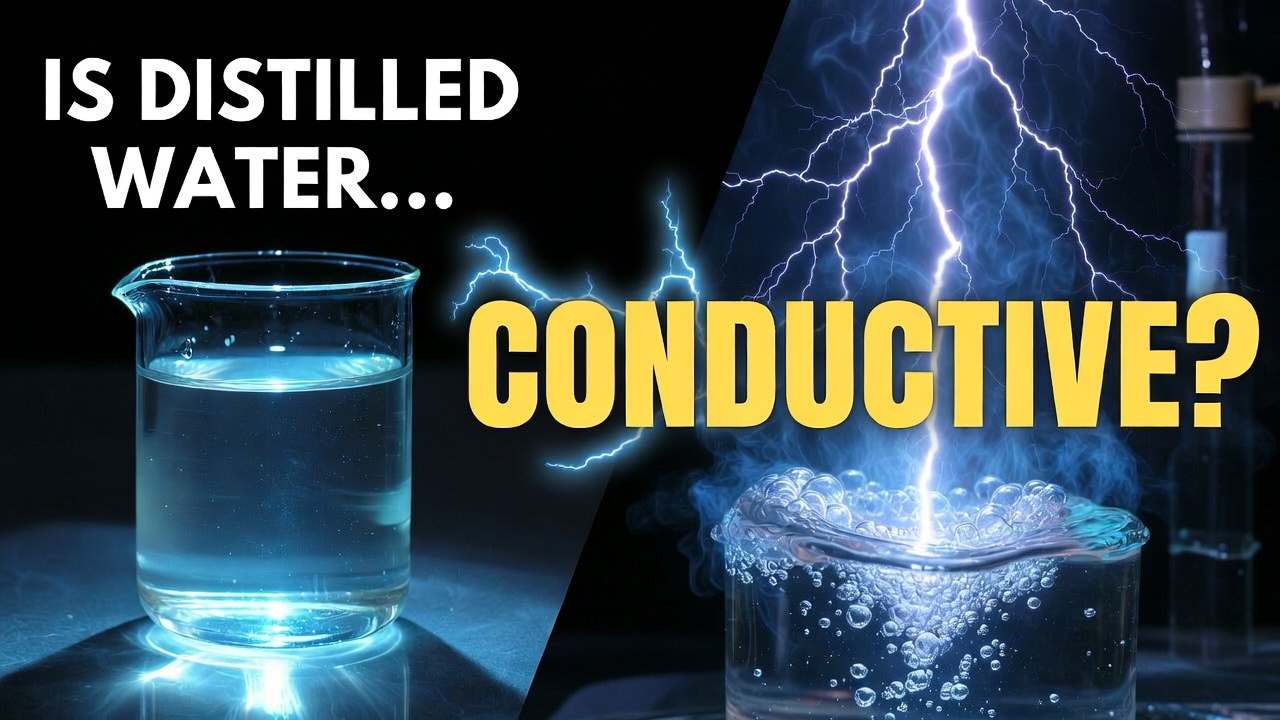
Distilled water is water that has been purified through a process of distillation, which involves boiling the water and then condensing the steam back into liquid form. This process removes impurities and minerals from the water, resulting in a highly pure form of H2O. Distilled water is often used in laboratory settings, as well as in medical and industrial applications where purity is essential.
Electricity is the flow of electric charge through a conductor, such as a wire. It is a fundamental force of nature and is essential for powering many of the devices and technologies that we use on a daily basis. When electricity is passed through a conductor, it can produce various effects, including heating, light, and chemical reactions. In the case of distilled water, electricity can be used to produce chemical changes through a process known as electrolysis.
The Conductivity of Distilled Water
One of the key properties of distilled water is its low conductivity. Conductivity is a measure of a substance’s ability to conduct an electric current, and it is influenced by the presence of ions in the water. Distilled water has very few ions present, which means that it has a very low conductivity compared to other types of water. This makes distilled water an excellent insulator, which is why it is often used in laboratory experiments and electronics manufacturing.
Despite its low conductivity, distilled water can still conduct electricity to some extent. This is because even pure water contains a small number of ions due to the natural dissociation of water molecules into hydrogen and hydroxide ions. However, the conductivity of distilled water is still much lower than that of tap water or other types of water that contain higher levels of dissolved minerals and salts.
Electrolysis and the Production of Hydrogen and Oxygen
When an electric current is passed through distilled water, it can undergo a process called electrolysis. Electrolysis involves the decomposition of water into its constituent elements, hydrogen and oxygen, through the use of electricity. This process occurs at the electrodes, which are typically made of inert materials such as platinum or graphite.
At the cathode (negative electrode), hydrogen gas is produced through the reduction of water molecules. This occurs when electrons from the cathode are transferred to the hydrogen ions present in the water, resulting in the formation of hydrogen gas. At the anode (positive electrode), oxygen gas is produced through the oxidation of water molecules. This occurs when electrons are removed from the hydroxide ions present in the water, resulting in the formation of oxygen gas.
The production of hydrogen and oxygen through electrolysis has many practical applications, including the generation of fuel for hydrogen fuel cells and the production of oxygen for industrial processes. Additionally, electrolyzed water can be used for cleaning and disinfection purposes due to its antimicrobial properties.
The Effects of Electricity on the pH of Distilled Water
The pH of a substance is a measure of its acidity or alkalinity, with a pH value of 7 being neutral. When electricity is passed through distilled water, it can have an impact on the pH of the water due to the production of hydrogen and hydroxide ions through electrolysis.
During electrolysis, the production of hydrogen gas at the cathode results in an increase in the concentration of hydrogen ions in the water, leading to a decrease in pH and an increase in acidity. Conversely, the production of oxygen gas at the anode results in an increase in the concentration of hydroxide ions in the water, leading to an increase in pH and a decrease in acidity.
Overall, the pH of distilled water can be influenced by the flow of electricity through it, with the potential to shift from neutral towards either acidic or alkaline depending on the conditions and duration of electrolysis.
Potential Risks and Dangers of Using Electricity with Distilled Water
While electrolysis can be a useful process for producing hydrogen and oxygen from distilled water, there are also potential risks and dangers associated with using electricity with distilled water. One potential risk is the generation of explosive gases such as hydrogen and oxygen during electrolysis. These gases can pose a fire hazard if not handled properly, especially in confined spaces.
Another potential danger is the risk of electric shock when working with electrical equipment and distilled water. Water is a good conductor of electricity, and if proper safety precautions are not taken, there is a risk of electrical shock when working with electrolyzed distilled water.
Additionally, there is also a risk of chemical burns or irritation from exposure to electrolyzed distilled water, especially if it comes into contact with skin or eyes. It is important to handle electrolyzed distilled water with care and to follow proper safety protocols when working with electricity and water.
Practical Applications and Uses of Electrolyzed Distilled Water
Despite the potential risks and dangers associated with using electricity with distilled water, there are many practical applications and uses for electrolyzed distilled water. One common application is in the field of cleaning and disinfection, where electrolyzed water can be used as a non-toxic alternative to traditional cleaning chemicals. The antimicrobial properties of electrolyzed water make it effective for killing bacteria and viruses on surfaces, making it useful for disinfecting medical equipment, food processing facilities, and other environments where cleanliness is essential.
Another practical application is in the field of agriculture, where electrolyzed water can be used for irrigation and pest control. Electrolyzed water can be used to treat seeds and soil to promote plant growth and protect against pests and diseases without the use of harmful chemicals.
In addition to these applications, electrolyzed distilled water can also be used for generating fuel for hydrogen fuel cells, as well as for producing oxygen for industrial processes. The versatility and potential uses for electrolyzed distilled water make it an area of interest for future research and development.
Conclusion and Future Research Opportunities
In conclusion, the use of electricity with distilled water can lead to various chemical reactions through processes such as electrolysis. These reactions can result in the production of hydrogen and oxygen, as well as changes in the pH of the water. While there are potential risks and dangers associated with using electricity with distilled water, there are also many practical applications and uses for electrolyzed distilled water in fields such as cleaning, agriculture, and energy production.
Future research opportunities in this area include further exploration of the antimicrobial properties of electrolyzed water, as well as the development of new technologies for producing hydrogen and oxygen from distilled water more efficiently and sustainably. Additionally, research into safety protocols and best practices for working with electricity and distilled water will be important for minimizing risks and ensuring safe use in various applications.
Overall, the combination of distilled water and electricity offers a wide range of possibilities for innovation and advancement in fields such as science, technology, and industry. With continued research and development, electrolyzed distilled water has the potential to play a significant role in addressing various challenges related to cleanliness, sustainability, and energy production in the future.